How to set up a vegetable garden in your backyard?
Imagine being able to pick your own ripe vegetables and savour freshly cut aromatic herbs, straight from your garden. Nothing quite matches the pleasure of growing your own food to rediscover the authentic taste of natural, healthy produce. In addition to offering a healthier diet, a vegetable garden is a true haven of peace, where you can reconnect with nature while enjoying the physical and psychological benefits of gardening.
Whether you have a large garden, a small balcony, or even a corner of a terrace, there is a multitude of solutions for effectively growing your plants. Thanks to a few gardening techniques, you can organise your vegetable patch optimally for abundant harvests.
Choosing the ideal location
The success of your vegetable garden relies heavily on its location. A well-chosen spot guarantees healthy crops, optimal growth, and abundant harvests. Before starting, it is essential to evaluate several criteria to offer your plants the best possible conditions. A poorly chosen location can lead to growth difficulties, diseases, or limited production. Here are the elements to consider:
- Sun exposure: Most vegetables need at least six hours of direct sunlight per day to develop properly. An overly shaded location will slow their growth and therefore reduce their yield. Position your vegetable garden facing south or west to maximise its sunlight.
- Soil quality: Well-drained soil enriched with compost is essential for healthy crops. Avoid clay soils, which retain too much water.
- Proximity to a water source: Regular watering is crucial, especially during the summer months. Set up your vegetable patch near a tap or install an irrigation system—this will make watering easier and ensure a constant water supply, preventing water stress for your plants.
- Protection against wind and pests: Protecting the vegetable garden from strong winds with hedges or netting preserves plant health and limits soil drying. A physical barrier also helps restrict access to pests like rabbits or slugs, which can damage your crops.
Organising your vegetable garden: planning and structuring
Good organisation is essential for maximising the yield of your vegetable garden while making its maintenance easier. Planning your crops helps prevent diseases, optimise space, and improve soil quality in the long term. A thoughtful layout allows for a varied and continuous production, even for gardeners using a beginner's vegetable garden plan. Here are some effective methods for structuring your vegetable patch:
Crop rotation
Alternating plant families from one season to another preserves soil fertility and reduces the risk of diseases and parasites. For example, after growing tomatoes, which deplete nitrogen from the soil, you should plant legumes like beans or peas, which naturally enrich the soil with nutrients. This way, you avoid exhausting soil resources and therefore promote better productivity.
Companion planting
Certain plants help each other by repelling pests or supporting the growth of their neighbours. Planting basil next to tomatoes notably improves their flavour and deters unwanted insects. Similarly, carrots and onions make a perfect pair, as each repels the pests that target the other. Think also about flowers like marigolds, which protect your vegetables from aphids and other parasitic insects.
Creating vegetable garden squares
This method consists of dividing the space into small square plots (for example, 1m x 1m), where different crops are planted side by side. This allows for better space management and simplifies maintenance. You can, for instance, dedicate one square to leafy vegetables (salads, spinach), another to root vegetables (carrots, radishes), and another to aromatic plants. This organisation also prevents the spread of diseases and facilitates crop rotation.
Setting up a small vegetable garden: space optimisation
Don't have a large garden? No worries, even a small space can be transformed into a functional and productive vegetable patch. Space optimisation is the key to maximising your harvests without cluttering your exterior. By choosing the right solutions, you can grow a wide variety of vegetables and aromatic herbs, even on a balcony or a terrace. Here are some methods tailored to small spaces:
Vertical vegetable gardening
When ground space is limited, look up! Fix wall shelves, hang fabric grow bags, or upcycle wooden pallets to plant aromatic herbs and leafy vegetables like lettuce or spinach. A living wall can also accommodate climbing plants like cherry tomatoes or beans, while adding an aesthetic touch to your exterior.
Raised beds and planters
Ideal for terraces and balconies, these containers offer good drainage and make maintenance easier. A wooden raised bed allows you to grow radishes, salads, or even strawberries without bending down. Suitable planters can be fixed to railings to save space and hold plants like mint or chives, perfect for everyday cooking.
Container gardening
A versatile and modular solution that suits small vegetables and aromatic plants. Use terracotta or plastic pots that are deep enough for your plants' roots. Aubergines and peppers grow very well in pots, as do herbs such as basil, parsley, or coriander. For optimal space-saving, privilege stackable pots or multi-tiered stands.
Original vegetable garden ideas: combining aesthetics and functionality
A vegetable garden shouldn't just be functional; it can also become a decorative feature of your exterior. With a clever layout, it is possible to optimise space while bringing an aesthetic and original touch to your garden. Whether you are looking to maximise your production on a small surface or add character to your outdoor layout, these solutions combine design and efficiency for a unique and productive vegetable patch.
- Spiral vegetable garden: This spiral-shaped structure allows you to grow several plant varieties in a reduced space. It creates natural microclimates where plants at the bottom benefit from moisture-rich soil, while those at the top enjoy good drainage and optimal sunlight. Ideal for mixing vegetables, aromatic herbs, and edible flowers in the same space.
- Modular growing squares: This type of layout consists of dividing the space into small squares (generally 1m x 1m), allowing for simplified crop management and limiting the spread of diseases. It is perfect for beginners because it facilitates crop rotation and reduces maintenance work. Furthermore, the squares can be adapted to different spaces, whether placed directly on the ground, raised, or in containers.
- Upcycled wooden planters: Using recycled wood to build growing containers is a solution that is both ecological and economical. These containers allow you to control soil quality and optimise drainage, while giving a rustic and natural look to the garden. They are particularly suited to urban vegetable gardens and terraces, where space is limited but the desire to grow remains.
Growing a vegetable garden: the essential equipment
Good equipment is vital for guaranteeing the success of your vegetable garden. Having the right tools simplifies maintenance, improves soil quality, and ensures optimal crop growth. Whether you are starting out or are an experienced gardener, investing in a few basic tools will save you time and preserve the health of your plants. Here are the essential pieces of equipment for any well-maintained vegetable patch:
- Spade and rake: The spade is indispensable for turning the soil, digging, and preparing planting plots. The rake, on the other hand, allows you to level the soil surface, remove stones, and break up the soil for better seed placement. These tools are essential for guaranteeing loose, well-structured soil that promotes plant growth.
- Watering can or irrigation system: Water is vital for the development of vegetables. A simple watering can allows for precise watering, but for larger vegetable gardens, a drip irrigation system is an effective solution for distributing water evenly, while limiting waste and evaporation. This method also ensures constant hydration, which is essential for certain crops like tomatoes or courgettes.
- Composter: Good soil is the key to a productive vegetable garden. Installing a composter allows you to recycle your organic waste (peelings, coffee grounds, eggshells) to enrich the soil with essential nutrients. Compost improves soil structure, facilitates water retention, and reduces the need for chemical fertilisers, making your vegetable patch more self-sufficient and ecological.
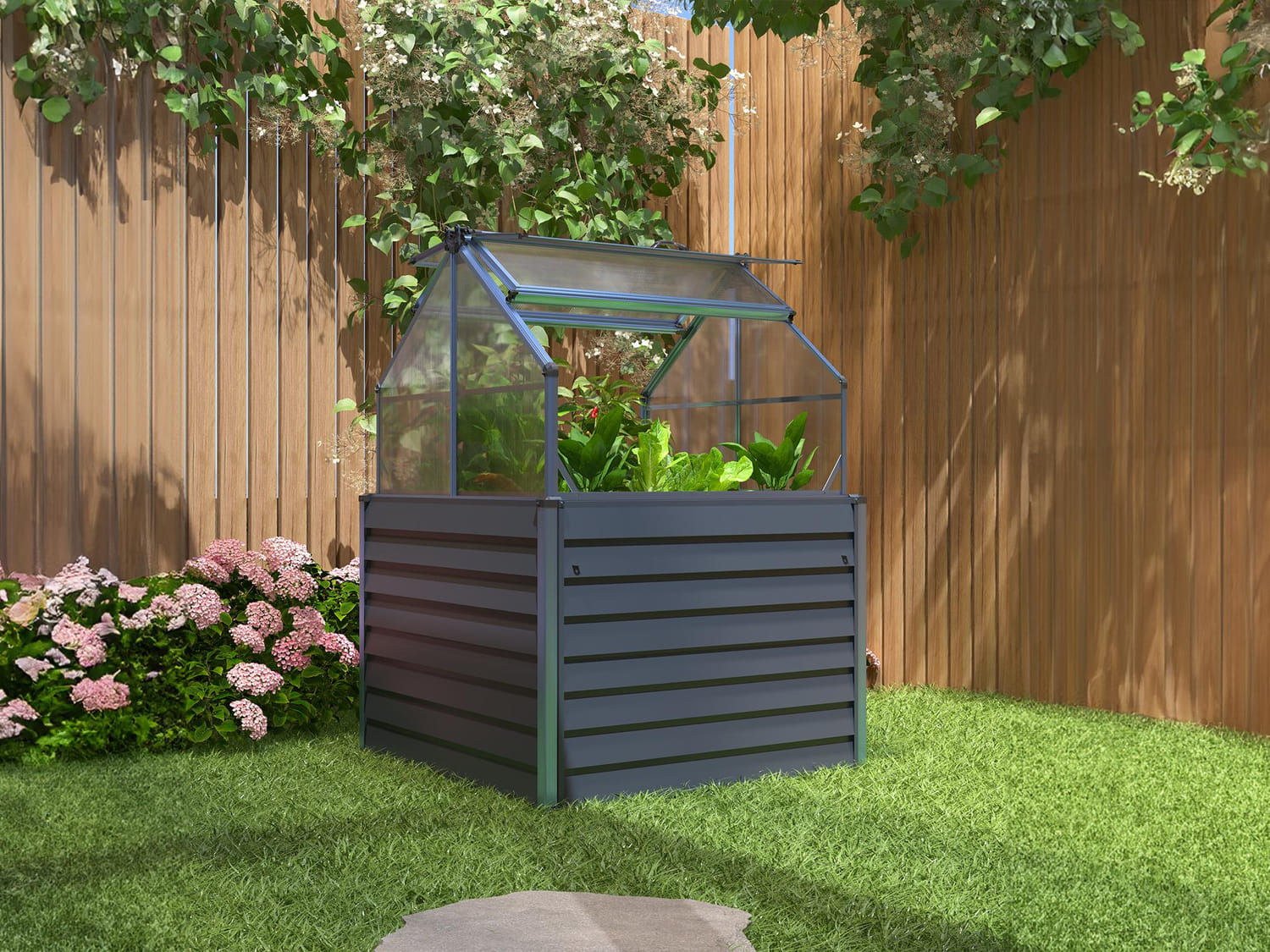
- Garden greenhouse: A greenhouse protects your crops from bad weather, temperature variations, and pests. It extends the growing season by offering a more stable environment for fragile vegetables like tomatoes, peppers, and winter salads. Depending on the available space, you can opt for a tunnel greenhouse, ideal for large areas, or a mini-greenhouse, perfect for small gardens and balconies.
Over to you!
Setting up a vegetable garden is an enriching and rewarding experience. With a solid beginner's vegetable garden plan, optimal organisation, and the right tools, your green space will become a true sanctuary of freshness and flavours. Take the plunge and enjoy the pleasure of growing your own vegetables!