
Soffit or Mansard Roof: Tips and Tricks for Interior Arrangement
A loft-style or attic room can quickly seem narrow, dark, or difficult to furnish, even though it offers real potential for a cosy retreat. By working on the volumes, colours, and the choice of each living room furniture, you transform this constrained space into a friendly room, practical for everyday use and pleasant to live in. A well-proportioned living room furniture, some clever storage solutions, and well-thought-out lighting often suffice to highlight the advantages of an attic lounge.
Understanding the constraints of an attic studio
Before choosing any furniture, it is essential to observe the configuration of the attic living room. The ceiling height varies from one side to the other, the sloped walls reduce the areas where one can stand upright, and the roof windows sometimes create targeted areas of light. Identifying comfortable heights, spots where one easily bumps their head, and areas that are less usable when standing helps to develop a realistic layout plan.
In this type of space, every centimetre counts. The lowest areas, where you cannot stand fully upright, become perfect zones for installing seating, low storage units, or a custom-made TV unit. The higher sections are better suited for passage, opening doors, and everyday movement. By distinguishing these two heights, you avoid placing a sofa under an overly steep slope or a bookcase in a hard-to-access spot.
In a sloped or attic room, moving a socket may be more complicated than in a conventional lounge, especially if the walls are made of stone or if the attic has already been converted. It is better to adapt the furniture layout to these constraints, even if it means using discreet multi-socket adaptors, floor lamps, or wall-mounted lights to supplement the lighting.
Choose furniture suitable for the volumes
In a dormer room, the low furniture becomes a valuable ally. A low sofa, a low-height TV unit, or a sideboard that is not very tall can easily fit under the slope without creating an impression of clutter. On the other hand, sofa backrests that are too high or imposing bookcases may reinforce the feeling of a low ceiling.
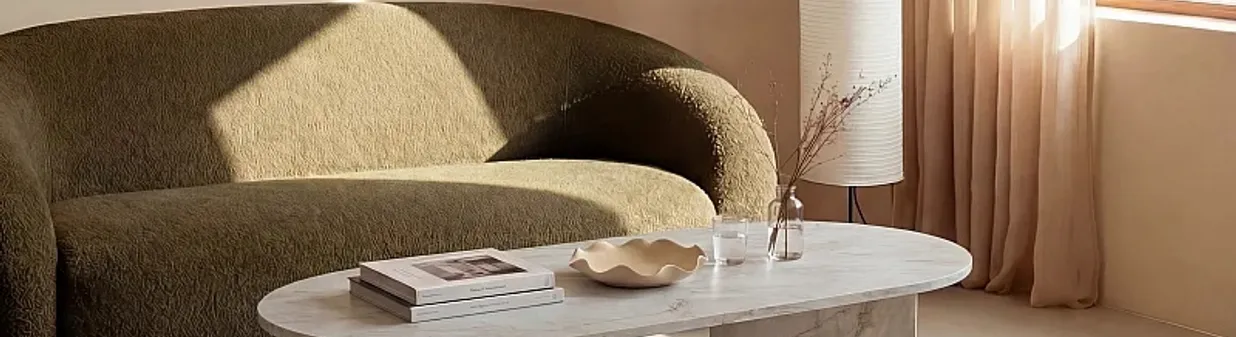
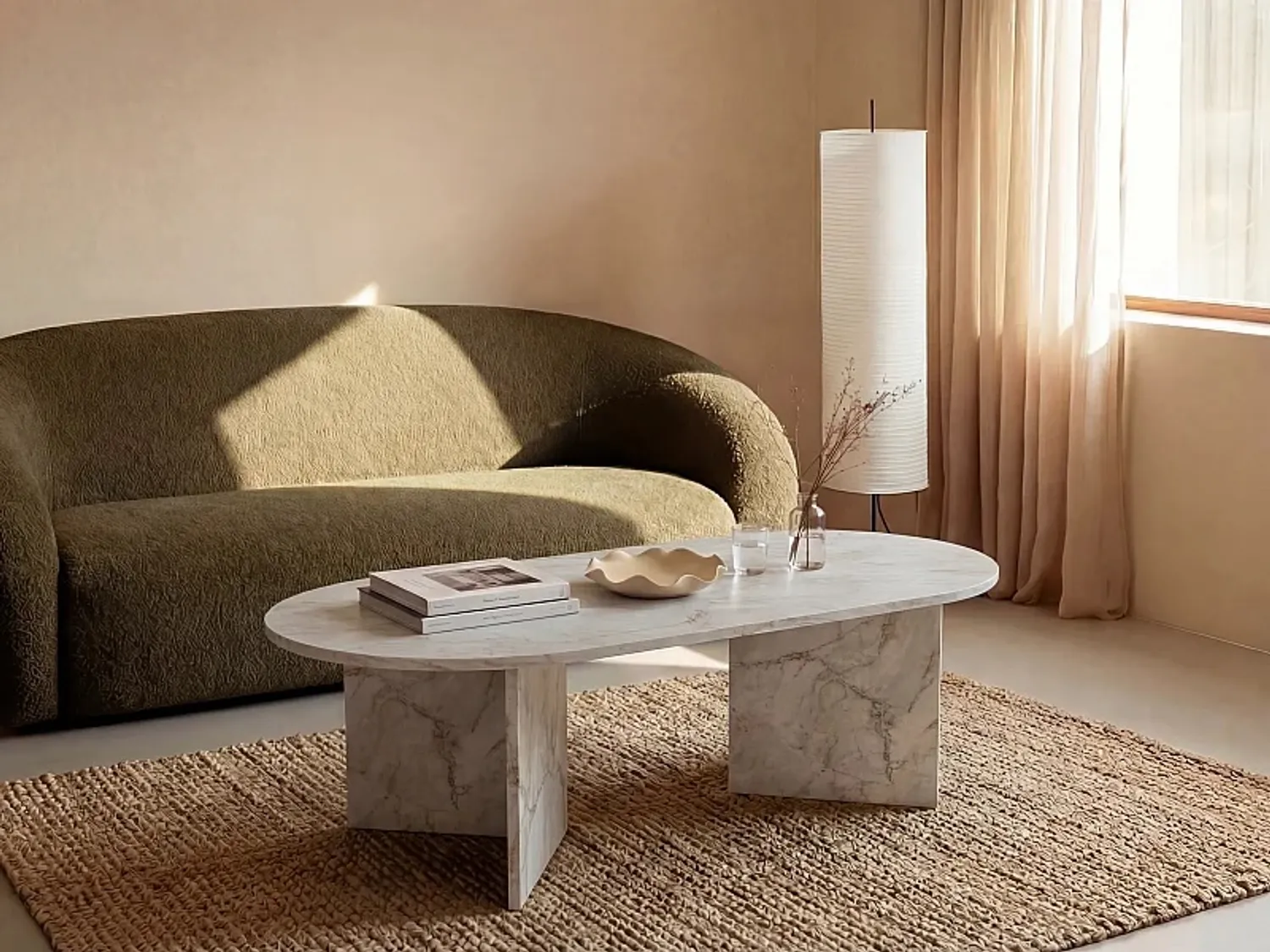
Prioritise open models, with visible bases, to avoid weighing down the floor. A sofa on legs, an airy coffee table and a sleek lounge unit let light flow through and prevent the “block” effect. Furniture like modular pieces, such as pouffes or small shelves to compose, adapt particularly well to these irregular volumes.
Custom-made furniture is an interesting option in the most challenging areas. A large sloped wall can house a bookshelf designed to the available height, with deeper cabinets in the upper parts and more compact niches in the lower zones. A TV unit designed to follow the slope provides both a support for the screen and additional storage space for devices or accessories. This type of solution maximises space without hindering circulation.
Utilise the slope to create storage
A Converted Attic Room can quickly run out of cupboards, especially if the attic has been converted without planning for closed storage. However, the lower parts beneath the slope are perfectly suited for customised storage solutions or low furniture. A row of cabinets, closed boxes, or a series of drawers sliding along the inclined wall allow you to store blankets, board games, books, or additional crockery.
Custom solutions follow the slope of the roof precisely and take advantage of every corner. You can, for example, combine closed cupboards in the lowest part with open shelves above to display a few decorative objects. This arrangement allows you to hide everyday items behind understated façades, while creating a light staging above, without overcrowding the room.
In a small, sloped lounge, it may be wise to opt for a multifunctional living room furniture piece. A bench with integrated storage compartments beneath the seat, placed along the slanted wall, provides both additional seating and discreet storage space. A shallow console slid under the slope can serve as a support for books or plants, while avoiding disruption to circulation.
Delineate the areas of the attic room
Even in a small living room, structuring the functions of the space remains essential. An angled living room can accommodate several zones: a TV corner, a reading area, a small desk, or a dining nook, provided they are organised intelligently. Rather than placing furniture randomly, it's better to think about how you use the room on a daily basis.
The slope of the roof often naturally suggests certain layouts. A lower area is well suited for a relaxation corner with a sofa, low armchairs, and a coffee table, where circulation is reduced. Areas with a more comfortable height can accommodate a desk, a table, or a play area for children. A rug, a change of colour on the wall, or the orientation of the sofa are enough to distinguish these different uses without dividing walls.
In a attic lounge, circulation must remain smooth despite some obstacles. Avoid placing a sofa with its back to the main passage or a large bookshelf in a narrow corridor created by the slope. favour shallow furniture, line up the main elements along the highest walls, and maintain clear circulation axes between the entrance, the window, and the relaxation corner.
Working with natural and artificial light
Light plays a key role in the perception of a . Roof windows and small side openings sometimes distribute light unevenly. To avoid shadowed areas, choose walls and ceilings in light shades that reflect light, especially on the slope itself. Shades of off-white, pale beige or very soft grey visually enlarge the room.
Artificial lighting then complements natural light. In a sloped lounge, the central ceiling light is not always possible or sufficient. Multiply the sources: floor lamps near the sofa, wall lights fixed on the remaining vertical wall sections, lamps on a console or a side table. Built-in LED strips under a living room unit or in a niche under the slope can also highlight the room's architecture and create a pleasant ambient light.
Finally consider curtains and blinds suitable for roof windows. Blackout or screening blinds help control the amount of light in summer and preserve privacy in the evening. On a small vertical window, a light voile allows light to enter while softening the view outside. The overall effect creates a cosy atmosphere without darkening the room.
Play with colours and materials
In a attic lounge, the colour should be chosen carefully. Light shades on the walls and ceiling remain a safe choice to visually enlarge the space and smooth out height differences. You can, however, introduce a more striking colour on a feature wall or behind the sofa to structure the room and give it more depth.
Materials also contribute greatly to the ambiance. A light wooden floor, a thick rug, velvet or wool cushions, and a few throws invite relaxation, especially in an attic lounge. In a very white space, some touches of rawer materials, natural fibre baskets, a wooden side table, and a rattan lamp warm the atmosphere without weighing it down.
To maintain a coherent overall look, limit the number of dominant colours. A palette of three primary shades, rendered in tones, is usually sufficient to create a harmonious living room. Patterns can then add rhythm through cushions, curtains, or a discreet wallpaper on part of the slope. In a sloped living room, this control of colours avoids the “patchwork” effect and highlights the unique character of the volume.
Accessories and small parts for a practical sloped roof lounge
Accessories complete the layout without overcrowding the room. In a
Small tables play a key role. A Side Table that can be moved easily sometimes replaces a bulky coffee table that’s difficult to fit under the slope. Narrow side tables find their place between a sofa and an inclined wall, whilst providing a surface for a lamp or a cup. These flexible elements allow the layout to be adjusted as needs change, which is particularly useful in a small space.
Finally, a few well-chosen plants bring life without cluttering the floor. Suspensions near the windows, a large plant in a sufficiently high corner, or a few pots placed on a low coffee table are enough to energise the room. The goal remains to maintain an impression of space and clarity, while making the lounge warm and inviting.
